6-Quart Multicooker: 12 Presets for Fast or Slow Meals
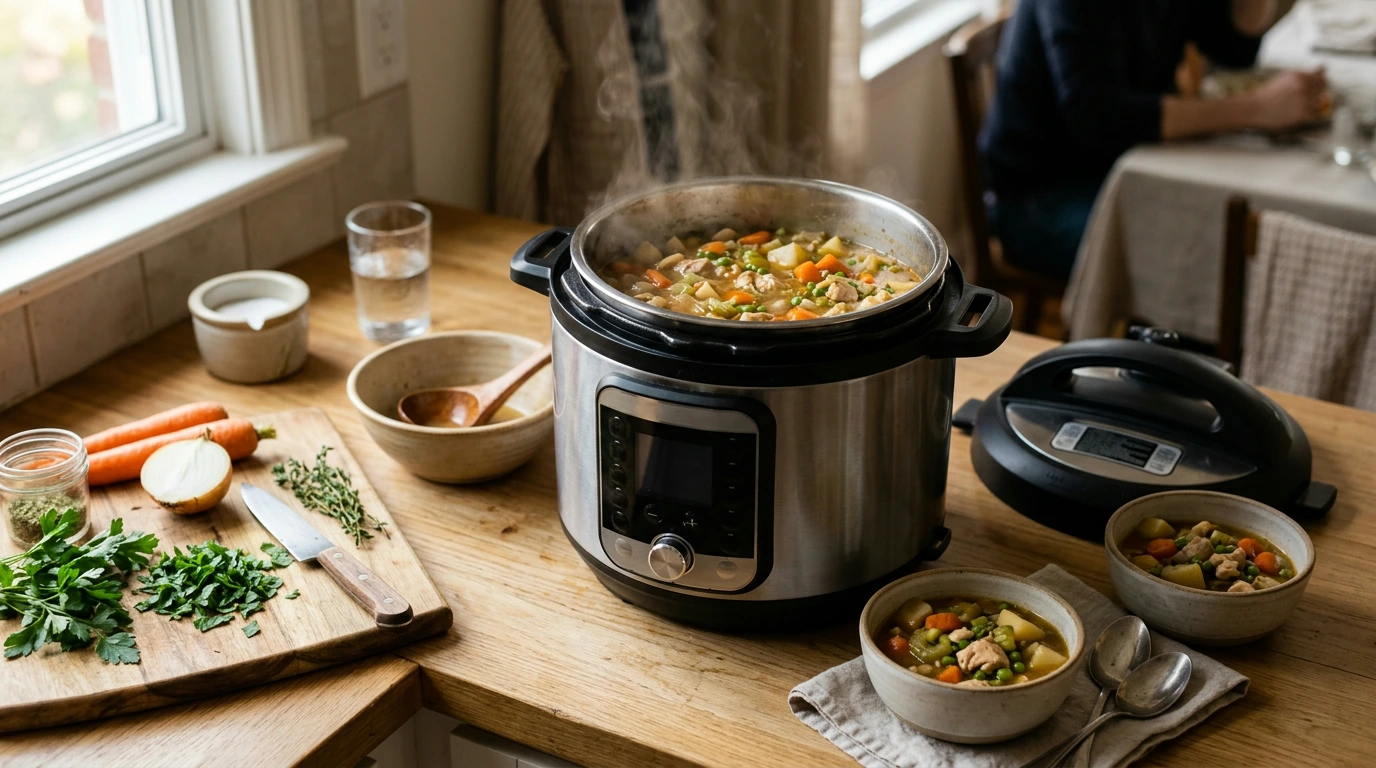
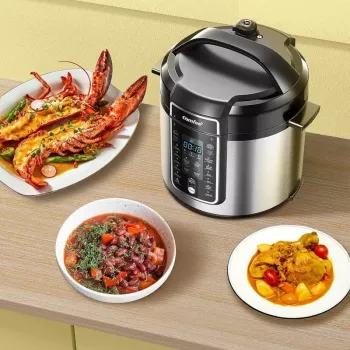
6 Quart Multi-Functional Pressure Cooker with 12 Presets, Slow Cooker & More: One Pot, Weeknight Pace
Dinner moves faster when one appliance can pressure cook, slow cook, and handle everyday basics without a lineup of pots. Our 6-quart multi-functional pressure cooker is sized for real meals and built around simple preset programs, so busy nights, weekend batch-cooking, and warm-and-ready sides all fit the same routine. If you want fewer dishes, more repeatable results, and an easier path from “what’s for dinner?” to “food’s on the table,” this is the kind of countertop workhorse that earns its spot.
Why this cooker earns its counter space
A 6-quart capacity hits a practical sweet spot: big enough for family dinners, meal prep, and potluck portions, but not so massive that it feels like overkill for everyday cooking. Add 12 presets, and you get a consistent starting point for the meals you make most—tap a program, then adjust time when you want firmer beans, a more shreddable roast, or a softer stew.
Just as important: you’re not locked into one pace. Pressure cooking is your “dinner soon” tool, while slow cooking is your “set it and come back later” plan. The extra modes (like keeping food warm and handling simmer-style tasks) help with the in-between moments—holding food for second helpings, finishing a sauce, or keeping a side ready while you plate the main dish.
What “12 presets” means in real cooking
Presets work best as guardrails, not handcuffs. They’re designed to match common categories of food and typical cook times, which means you spend less time setting up and more time getting reliable outcomes. If you’re new to pressure cooking, presets reduce the learning curve. If you already know your way around a multicooker, presets save you from repeating the same setup night after night.
Our team’s best tip: keep quick notes for your household. Once you dial in the timing for your preferred textures, your regular meals become nearly automatic.
When to use pressure cooking vs. slow cooking (and what to expect)
| Cooking style | Best for | Texture payoff | Planning level |
|---|---|---|---|
| Pressure cook | Weeknight proteins, beans, grains, soups | Tender quickly; great for breaking down tougher cuts | Low—fast start to finish |
| Slow cook | All-day roasts, chili, pulled-style dishes, long-simmer flavors | Deep flavor development; very tender | High—start early, eat later |
| Keep warm / hold | Serving windows, buffets, second helpings | Maintains ready-to-serve heat | Very low—set and forget |
A simple meal plan built around one pot
If you want the biggest payoff from a multi-cooker, build a repeating rhythm rather than reinventing dinner every night.
- Weeknights: rotate two fast pressure meals—one soup/stew and one rice or grain bowl base—so you cover multiple dinners and still get leftovers.
- Weekends: slow-cook a larger protein, then repurpose it into tacos, salads, sandwiches, or pasta throughout the week.
- Freezer support: portion cooked beans, shredded meats, and broths into containers so “heat and build” dinners happen in minutes.
- Variety without extra work: keep a neutral base (chicken or beans) and change the feel with different sauces, spice blends, and quick sides.
Capacity and portioning: what a 6-quart pot fits best
Everyday safety and food-quality habits that matter
Consistent meals come from consistent habits. Use food-safe temperature targets for meats and leftovers—an instant-read thermometer helps you land the same doneness every time. The USDA’s safe temperature chart is a solid reference for minimum internal temperatures: USDA FSIS: Safe Minimum Internal Temperatures.
If you’re slow cooking, starting with safely thawed ingredients helps food move through the temperature “danger zone” more quickly. For straightforward guidance, the CDC’s slow cooker food safety tips are worth keeping bookmarked: CDC: Slow Cooker Food Safety.
For pressure cooking, choose natural vs. quick release based on the dish. Soups and starchy foods often behave better with a more gradual release, while quick release can be useful when you want to stop cooking promptly. And if you’re considering home canning, a multi-cooker is not a substitute for tested pressure-canning equipment; the National Center for Home Food Preservation explains what’s required: NCHFP: Pressure Canning.
Cleanup and maintenance that keeps it running smoothly
Who this cooker is best for
Our picks from the shop
- 6 Quart Multi-Functional Pressure Cooker with 12 Presets, Slow Cooker & More ($127.01)
- Calvin Klein Casual Sneakers with Sleek Design and Comfortable Fit ($70.01)
- Calvin Klein Women’s Leather Sneakers ($66.91)
Quick checklist before adding to the kitchen
| Question | What to look for | This option fits when… |
|---|---|---|
| How many are you feeding? | Pot size and leftover plans | Regularly cooking for a household and wanting leftovers |
| Do you need speed or all-day timing? | Pressure + slow cook options | Some days are fast, some days are hands-off |
| Do you want push-button structure? | Number of presets | You prefer preset starting points over manual-only cooking |
FAQ
What can be cooked in a 6-quart multi-functional pressure cooker with presets?
You can handle staples like soups and stews, beans and lentils, rice and grains, chili, broth-style bases, and shredded-style meats, plus slow-cooked roasts when you want all-day timing. Presets are best used as a starting point, then you adjust time to match your preferred texture.
When should slow cook be used instead of pressure cook?
Use slow cook when your schedule favors starting early and eating later, or when you want a long-simmer flavor and very tender results with minimal attention. For safety, start with properly chilled or thawed ingredients so food heats through efficiently.
Is a multi-cooker the same as a pressure canner?
No—multi-cookers are designed for cooking, not for validated pressure canning. Safe home canning requires tested methods and proper pressure-canning equipment.








Leave a comment